 Blog Post
A TriCal, Inc. Perspective
Growers across the country rely on plasticulture systems to improve consistency, efficiency, and overall crop performance. One of the most widely used tools in these systems is row mulch, a plastic film installed over planting beds to enhance soil conditions and protect developing crops.
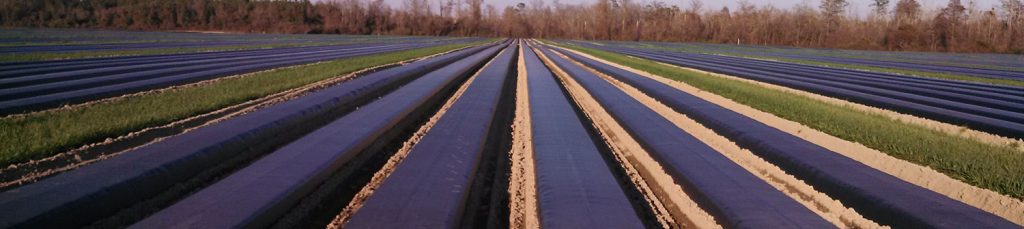
Those long rows of black, white, or clear film seen across agricultural fields are not simply coverings. They are carefully engineered materials designed to influence soil temperature, manage moisture levels, support soil fumigation programs, and reduce weed pressure.
Row mulch plays a critical role in specialty crop production. Understanding how it works is the first step in selecting the right solution for any operation.
At TriCal, Inc., we work closely with growers to match the right film to the right application because strong crop performance starts from the ground up, with the soil surface playing a critical role.
What Is Row Mulch?
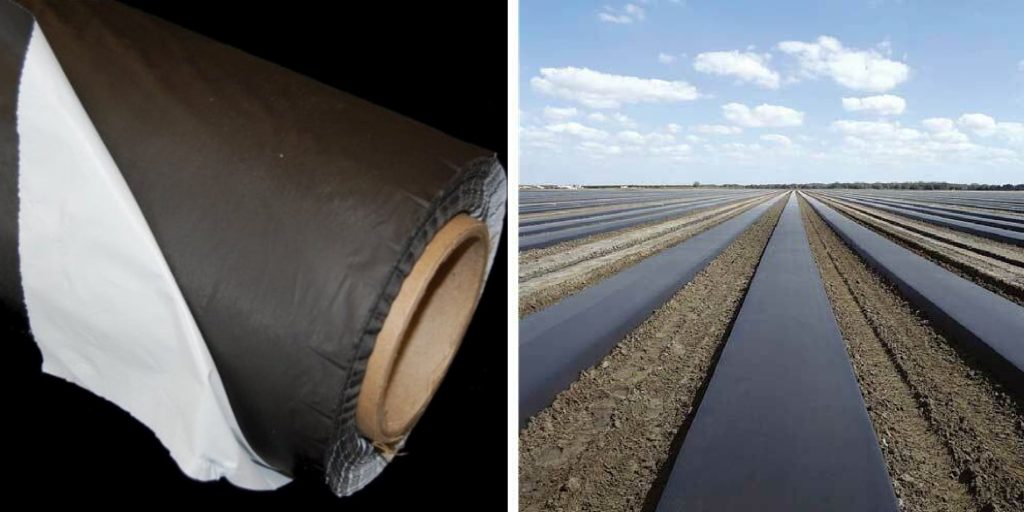
Row mulch is a plastic film installed over raised planting beds. During installation, the film’s edges are buried to secure it in place. Drip irrigation lines are typically laid underneath at the same time.
Widths generally range from 18 to 92 inches, depending on crop type and regional production practices.
Proper field preparation is essential. Soil should be smooth, firm, and free of large clods or heavy residue so the film lies tightly across the bed. A well-formed bed ensures durability and consistent performance throughout the growing season.
Why Do Growers Use Row Mulch?
Row mulch offers several important benefits.
Weed Management
Plastic blocks sunlight from reaching the soil surface, significantly reducing weed germination and growth.
Soil Moisture Retention
Mulch reduces evaporation compared to bare soil and helps maintain more consistent moisture levels.
Soil Temperature Regulation
Film color influences heat absorption and reflection.
Clear film allows maximum heat penetration.
Black film absorbs surface heat and blocks light.
White film reflects sunlight and keeps beds cooler in warm climates.
Managing soil temperature directly impacts germination, root development, and overall crop growth.
Improved Crop Uniformity
By stabilizing soil temperature and moisture, mulch promotes more consistent growth across the field.
Types of Row Mulch
Not all films perform the same. Selection depends on crop goals and whether soil fumigation is part of the production system.
Standard Film
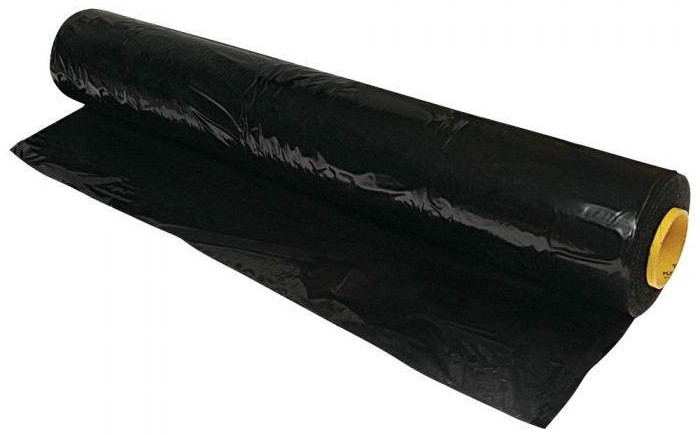
Manufactured without a gas barrier layer. Flexible and commonly used when fumigant retention is not the primary objective.
Biodegradable Film
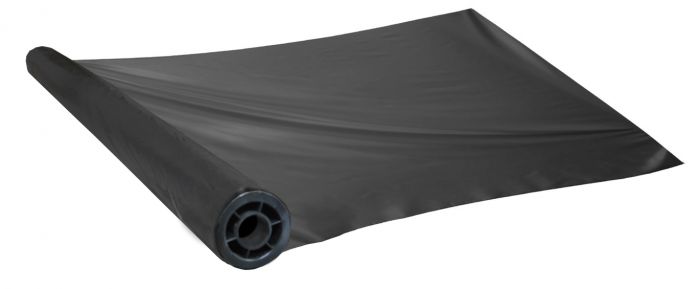
Designed to break down over time. Decomposition requires specific environmental conditions such as adequate heat, moisture, and microbial activity.
Virtually Impermeable Film, VIF
Contains a nylon barrier layer that slows fumigant movement and improves soil retention compared to standard film.
Totally Impermeable Film, TIF
Provides the highest barrier level using an EVOH layer to significantly reduce gas permeability. In certain regions, including California, TIF is required on all drip soil fumigated acres, and approved films must meet state listing requirements.
Film Colors and Surface Options
Color impacts soil temperature and plant growth. Common options include:
- Black for strong weed suppression
- White for cooling effects
- Clear for solarization and soil heating
- Specialty colors such as brown or green, depending on crop needs
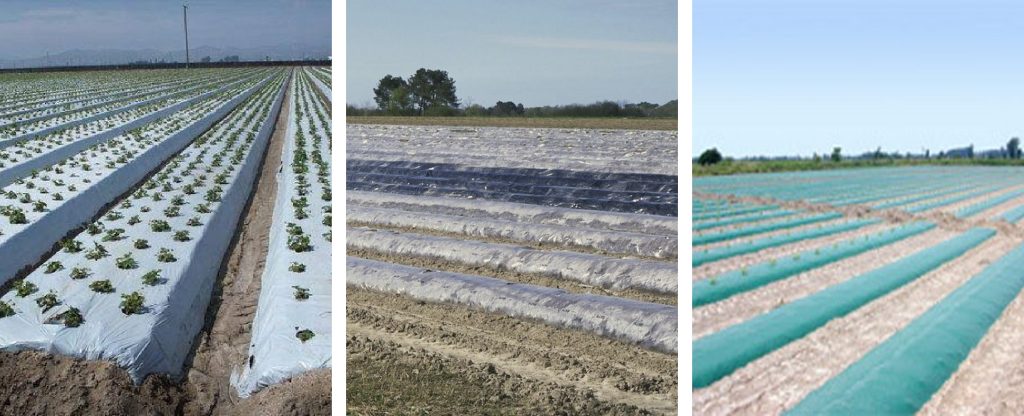
Surface characteristics also vary. Smooth films provide uniform thickness and consistent barrier properties. Embossed films have a textured pattern that may assist with installation in some regions, but in certain cases, embossing can affect barrier properties.
Manufacturing Differences: Cast vs Blown Film
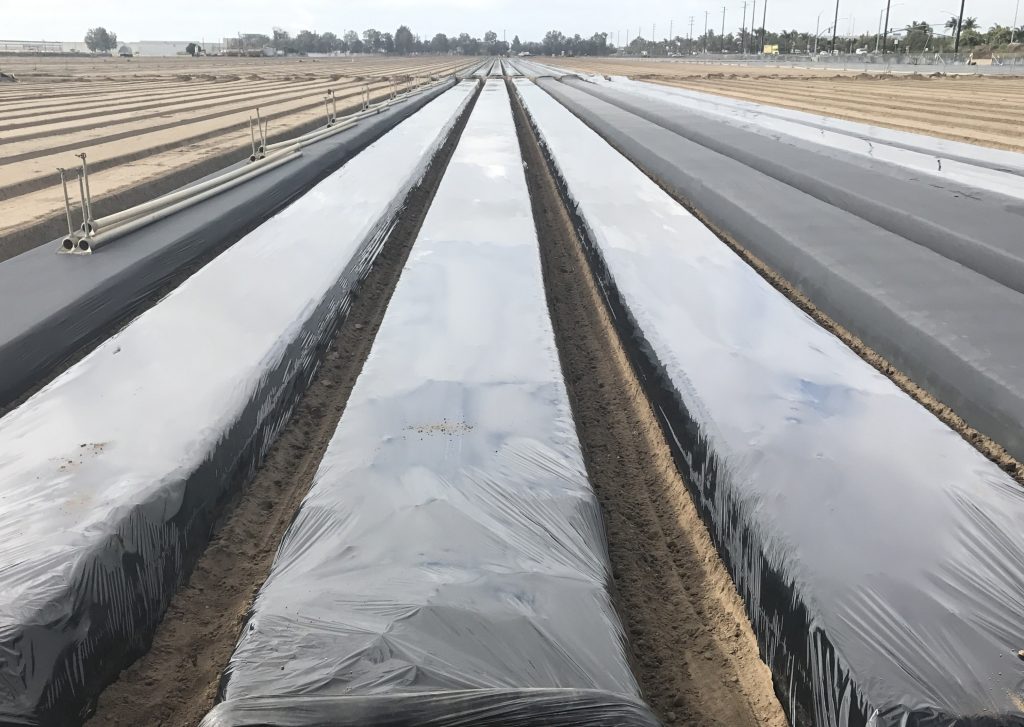
Plastic film is produced using either cast or blown manufacturing methods.
Blown Film
Pre-stretched during production, increasing tear resistance and durability. This may allow reduced thickness while maintaining strength.
Cast Film
Typically, more economical but may require greater thickness to prevent tearing. Some specialty color combinations are only available in cast film.
Understanding these differences helps match film selection to equipment, crop type, and field conditions.
Crops Commonly Using Row Mulch
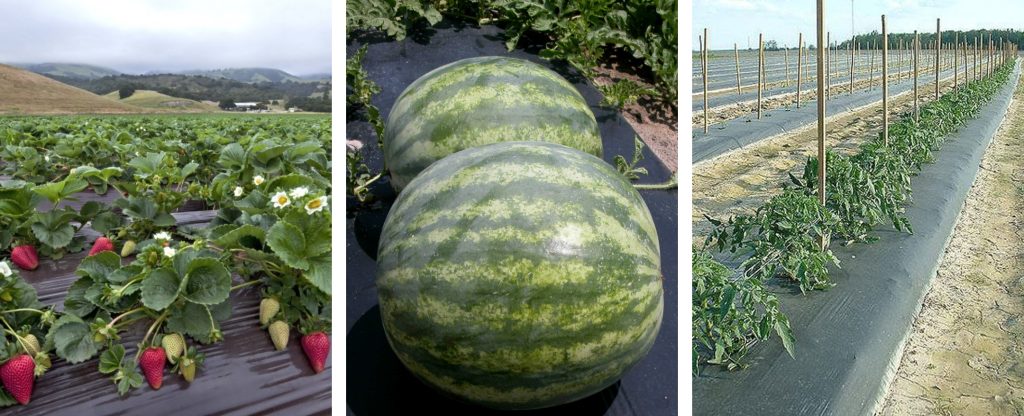
Plasticulture systems are widely used in:
- Strawberries
- Watermelons
- Raspberries
- Hemp
- Peppers
- Tomatoes
- Blueberries
Each crop system may require different widths, barrier levels, and color selections.
Making the Right Choice
Row mulch is not one-size-fits-all. Film selection should consider crop type, climate, soil fumigation plans, and regulatory requirements.
At TriCal, Inc., we help growers evaluate these factors and match the appropriate film to their operation.
Strong crop performance starts from the ground up.
Stay tuned for Part 2, where we take a closer look at broadcast film and barrier technology in soil fumigation.
Be sure to follow us on social media to keep up with the latest TriCal Group and TriClor news!